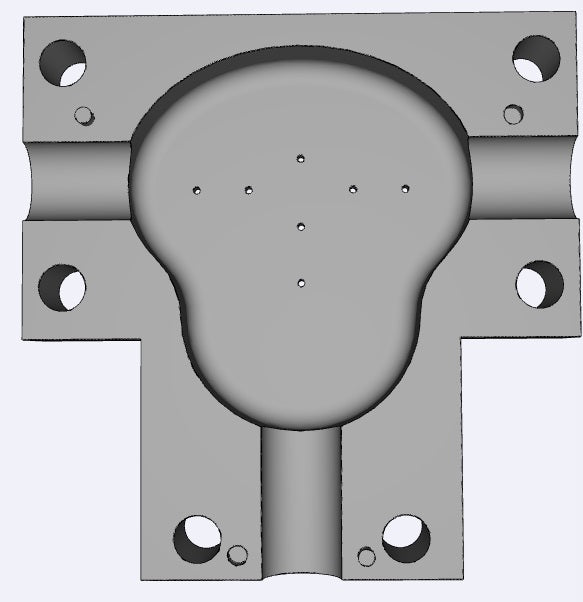
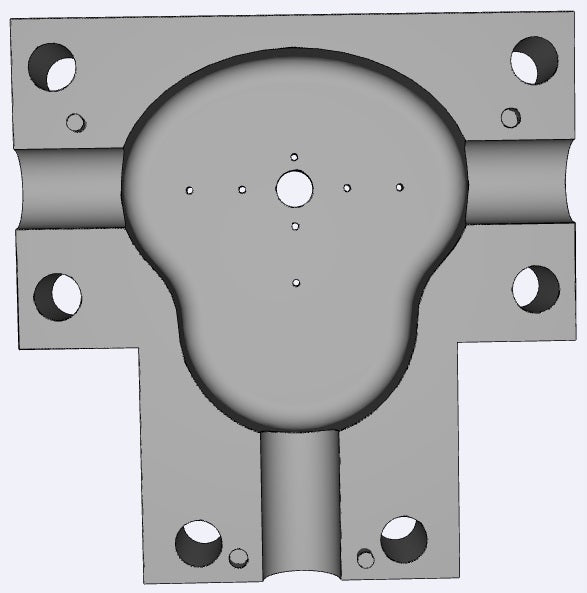
"T" shell for antenna stacking coax cables
"T" shell for antenna stacking coax cables
Couldn't load pickup availability
In our experience, we have always encountered issues with humidity inside coaxial cables. Dividing the cable into separate parts for the anode and cathode of the dipole often creates challenges in achieving perfect insulation against weather conditions. For this reason, we developed a protective shell to safeguard the coaxial cable at its most vulnerable point during installation
Objective:
To assess the performance, durability, and efficacy of the two-part shells in insulating 10mm coaxial cables for outdoor use.
Key Components for Testing
-
Material Properties:
- UV Resistance: Test the shells for their ability to withstand prolonged exposure to UV radiation. This ensures that they do not degrade when used outdoors.
- RF Resistance: Ensure that any filler used (silicon or liquid rubber) maintains RF resistance, preventing signal loss.
-
Mechanical Testing:
- Closure Integrity: Evaluate how well the M6 screws (after installation) hold the shells together. This test can also assess if the securement method is effective in maintaining insulation.
- Impact Resistance: Assess the shells' ability to withstand physical impacts during installation and in use.
-
Environmental Testing:
- Temperature Variability: Conduct tests in extreme temperature conditions to observe if the materials maintain their insulating properties.
- Moisture Resistance: Test the product against moisture ingress, ensuring the insulating properties aren’t compromised when exposed to rain or humidity.
-
Electrical Testing:
- Insulation Resistance: Measure the insulation resistance of the assembled unit to ensure it meets safety standards.
- RF Performance: Perform RF tests to gauge signal quality and integrity when configured with dipole screws and coaxial cables.
Installation and Usage Instructions
-
Wiring Connection:
- Ensure that the coax cable is properly welded to the dipole screws before proceeding with assembly.
- Check that all connections are clean and secure to prevent signal issues.
-
Filling Process:
- Choose a suitable insulating filler that is RF resistant, such as a high-quality silicon or liquid rubber.
- Fill the central part thoroughly to eliminate any air gaps, which could lead to moisture ingress.
-
Final Assembly:
- Use the M6 screws to securely close the shells once the filling is completed.
- Verify that the screws are tightened adequately without damaging the shell material.
Conclusion
This product is designed to offer a robust solution for outdoor coaxial cable applications. By conducting the above tests, you can ensure that the two-part insulating shells meet necessary standards for safety, performance, and durability in the field. If further refinement or enhancement is needed, consider feedback from these tests to improve the design or materials used.
Share